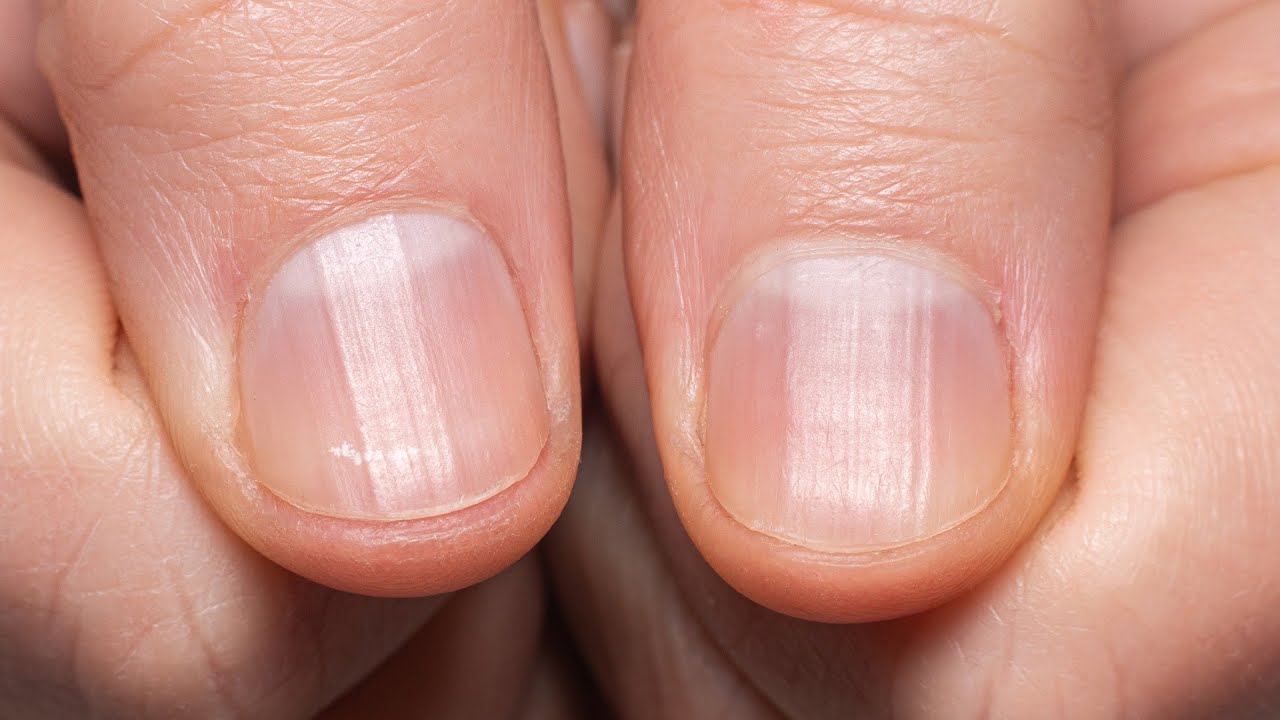
We’ve all been there. You reach for a bag, brush your hair, or simply put on a sweater, and you feel that familiar, frustrating catch. A fingernail has split. More than just a cosmetic nuisance, split nails can be painful, weaken your grip, and signal that something is off with your nail health or your habits. Let’s explore what split nails are, why they happen, and how to nurse them back to health.
What Are Split Nails?
Split nails, medically known as onychoschizia, refer to nails that peel, fray, or crack horizontally at the free edge, often in layers. Instead of a clean break, the nail plate separates into thin sheets. This common condition mostly affects the fingernails and can range from a minor superficial peel to a deep, painful crack that exposes the sensitive nail bed underneath.
The External Assault: What’s Attacking Your Nails?
Our hands are on the front lines, and our nails bear the brunt of daily wear and tear.
- Water and Chemicals: Frequent, prolonged exposure to water is a prime culprit. It causes nails to swell and then shrink as they dry, weakening their structure over time. Harsh soaps, detergents, and cleaning chemicals strip away natural oils, leaving nails dry and brittle.
- Physical Trauma: Everyday actions like using your nails as tools—to open cans, scrape off stickers, or pry things open—apply unnatural force that can cause immediate or cumulative damage.
- Extreme Weather: Cold, dry air in winter robs moisture from nails, making them brittle. Conversely, excessive sun exposure can also dehydrate them.
The Role of Bad Manicure Habits
Sometimes, our efforts to beautify our nails backfire.
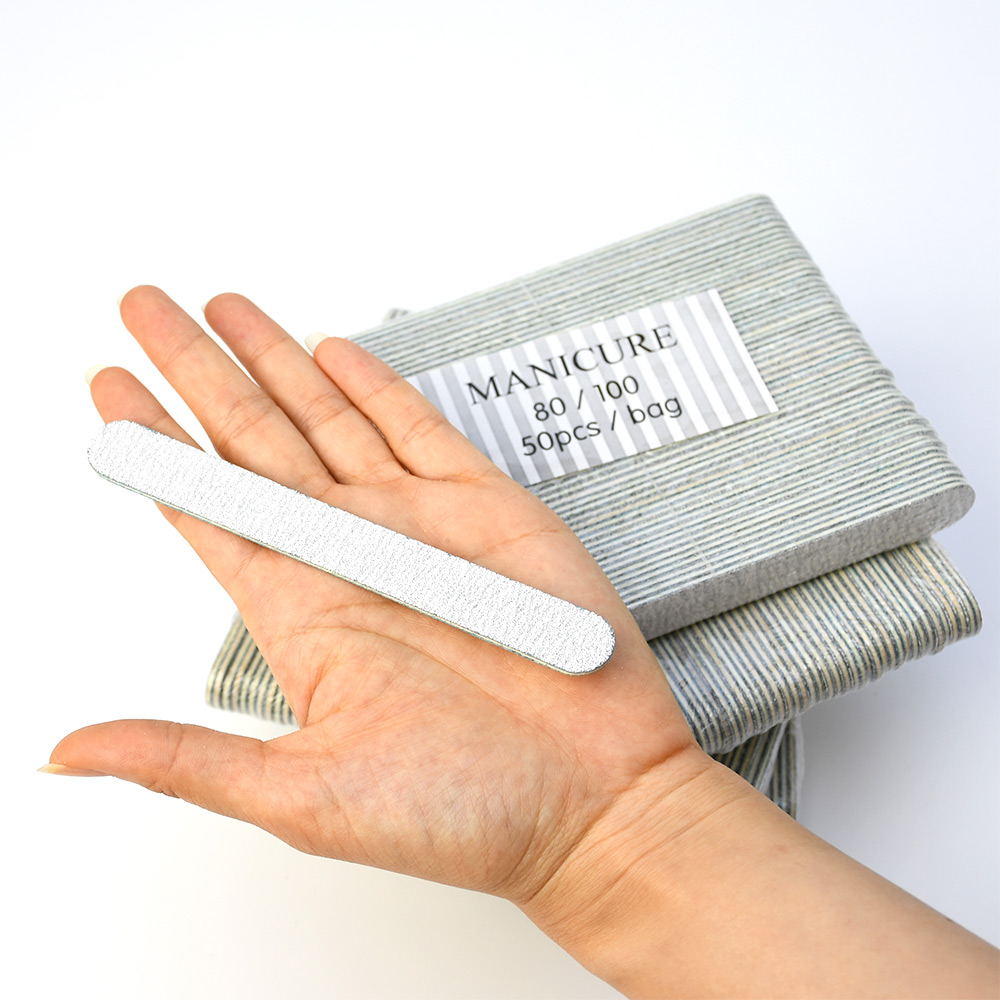
- Over-Filing: Filing nails in a vigorous back-and-forth sawing motion, especially with a coarse file, creates micro-tears at the edges that lead to peeling.
- Improper Product Use: Peeling off gel or acrylic nails doesn’t just remove the product; it often takes a top layer of your natural nail with it. Using old, thickened polish or harsh, acetone-based polish removers excessively dries out the nail plate.
- Neglecting Base and Top Coats: Skipping a base coat allows darker polishes to stain and potentially dry out nails, while a good top coat provides a protective shield against chipping and moisture loss.
Looking Inward: The Internal Causes
When external factors are managed but splits persist, it’s time to look inside.
- Nutritional Deficiencies: Keratin, the protein that makes up nails, requires building blocks. Deficiencies in iron, biotin (a B-vitamin), zinc, vitamin C, or protein can result in weak, brittle nails that split easily.
- Underlying Health Conditions: Sometimes, nails are a window to your overall health. Thyroid disorders (both hypothyroidism and hyperthyroidism), anemia, psoriasis, and certain fungal infections can directly affect nail strength and integrity.
- Natural Aging: As we age, nail growth slows, and nails can naturally become drier and more brittle.
How to Nurture and Protect Split Nails?
Healing takes patience, as you must protect the nails as the new, healthy nail grows out.
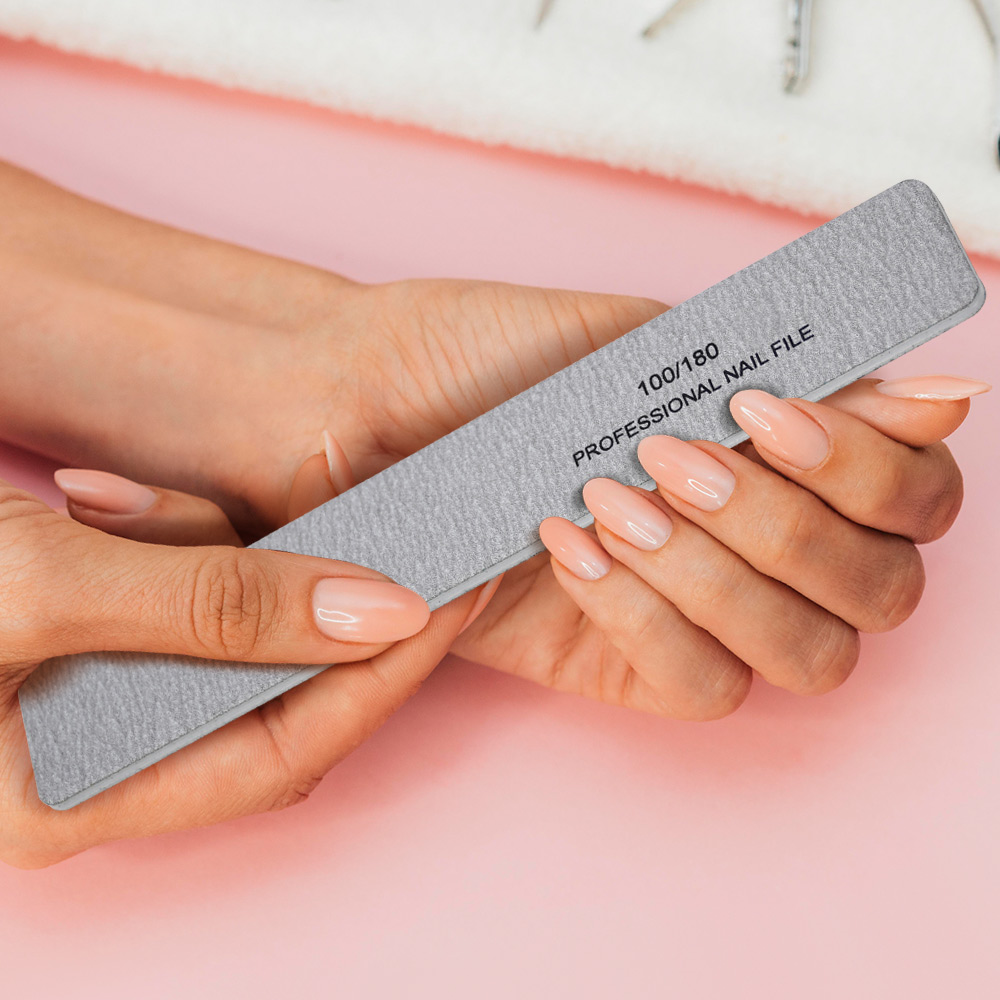
1. Keep Them Short and Shaped: For now, keep nails trimmed short to minimize snagging and pressure. File gently in one direction with a fine-grit nail file to smooth edges.
2. Moisturize Religiously: Apply a thick hand cream or a dedicated nail oil (like jojoba or vitamin E oil) multiple times a day, massaging it into the nails and cuticles. Do this especially after washing your hands.
3. Wear Gloves: Always wear waterproof gloves for washing dishes, cleaning, or any contact with chemicals. Wear cotton gloves under rubber gloves for extended tasks or simply overnight after applying moisturizer.
4. Take a Break from Polish: Give your nails a breather from all polishes, including gel and acrylics. If you must use polish, opt for a gentle, moisturizing base coat and acetone-free remover.
5. Nourish from Within: Eat a balanced diet rich in lean protein, leafy greens, nuts, and eggs. Consider discussing a biotin or multivitamin supplement with your doctor if you suspect a deficiency.
6. Seek Professional Help: For a deep, painful split, a dermatologist or skilled nail technician can sometimes use a special glue or a silk wrap to bond the crack, allowing it to grow out protected.
Split nails are often a sign that your hands need a little more TLC. By understanding the causes—both from your environment and within your body—and adopting gentler habits, you can transform your nails from fragile to resilient. Remember, strong, healthy nails start with consistent, simple care.
Read also: Soft nails care and strengthening guide