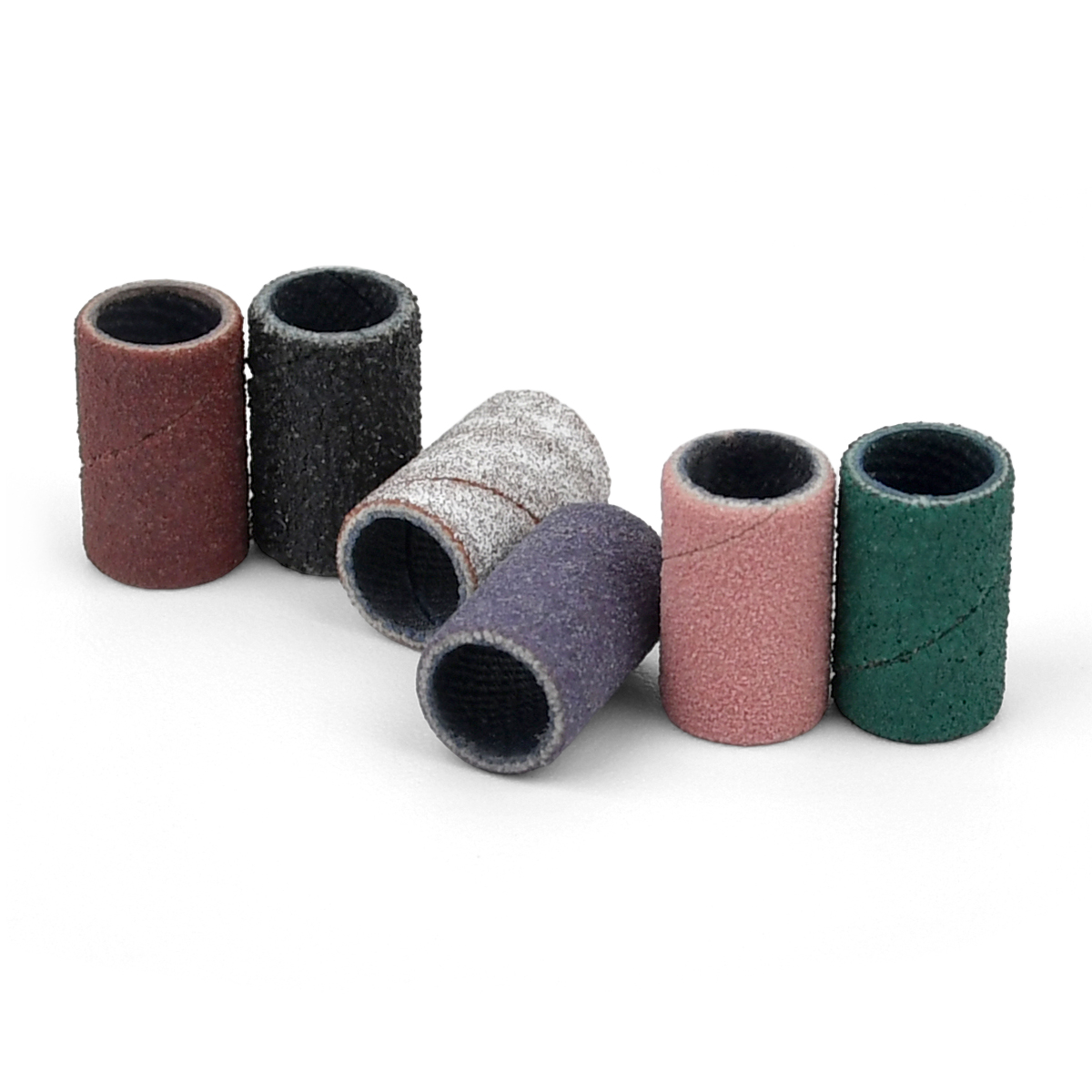
Sanding bands are versatile and essential tools found in workshops, garages, and dental labs alike. These small, abrasive sleeves slide onto a matching mandrel (a holding tool) attached to a rotary tool, making them perfect for precision sanding, shaping, and finishing in tight spaces. Understanding their types, how to use them correctly, and the benefits of disposable options can significantly improve your work quality and safety.
Types of Sanding Bands
Sanding bands are primarily categorized by their abrasive material and grit size, which determine their best use case.
1. By Material:
- Aluminum Oxide: The most common and general-purpose type. These tan-colored bands are durable and good for sanding metals, plastics, and wood. They offer a good balance between cutting speed and finish.
- Silicon Carbide: These are typically black or dark grey. They are sharper and harder than aluminum oxide, making them ideal for working on harder materials like glass, ceramics, stone, and non-ferrous metals.
- Zirconia Alumina: Often used in heavier-duty applications, these bands are very tough and long-lasting. They are well-suited for aggressive stock removal on metals and hardwoods.
2. By Grit Size:
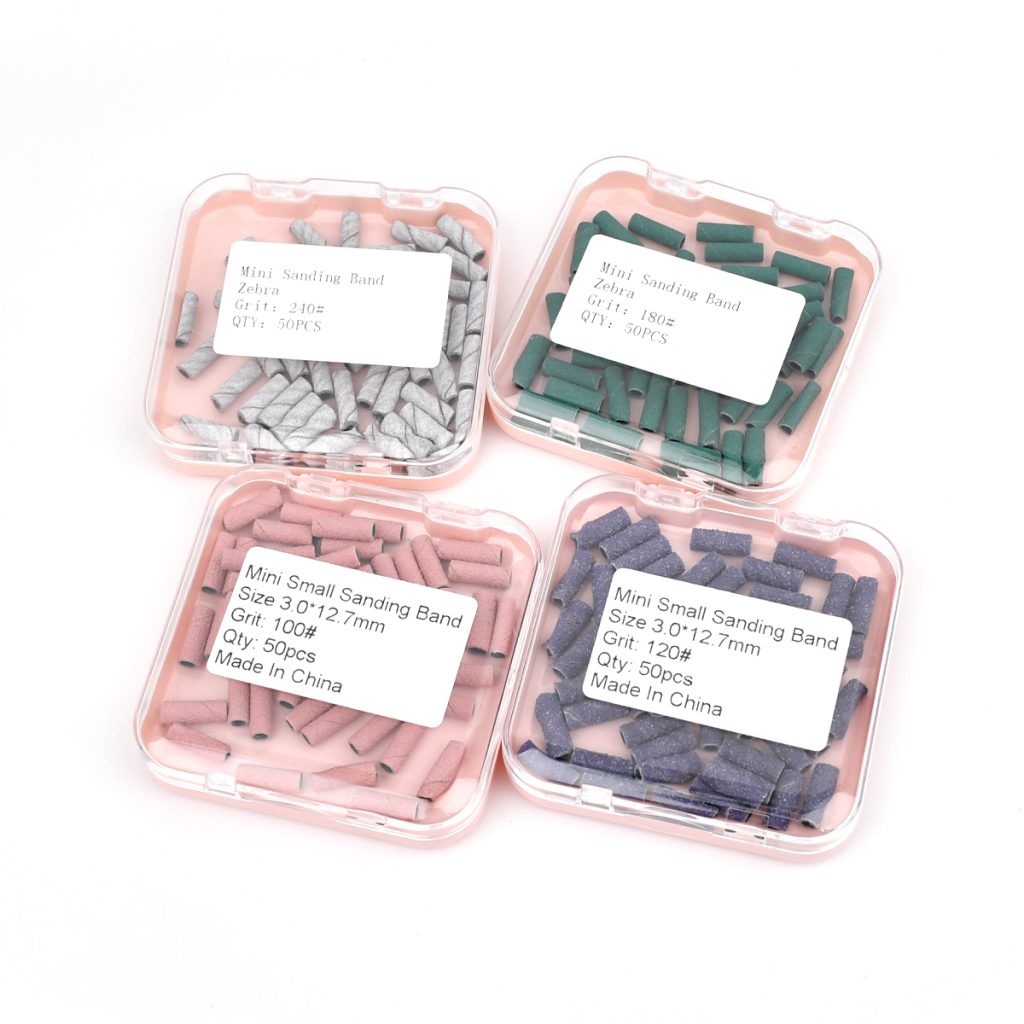
- Coarse Grit (Lower numbers: e.g., 60, 80, 120): Used for rapid material removal, shaping, and deburring. They leave a rough surface but get the job done quickly.
- Medium Grit (e.g., 150, 240): The perfect middle ground for smoothing surfaces after coarse grinding and before fine finishing.
- Fine Grit (Higher numbers: e.g., 320, 400, 600+): Used for final finishing, polishing, and creating a smooth surface. Very high grits are used for precision polishing in applications like jewelry making or dental work.
Key Usage Tips
Using sanding bands effectively requires a few simple but important techniques:
- Choose the Right Mandrel: Ensure the mandrel size matches the inner diameter of the sanding band. A loose fit will cause inefficiency and can be dangerous.
- Match Speed to Material: Let the grit do the work. Use slower speeds for harder materials to avoid overheating and damaging the band or the workpiece. Use higher speeds for softer materials like wood or plastic.
- Apply Gentle Pressure: Pressing too hard can cause the band to tear, wear out prematurely, or even break. It can also generate excessive heat. Apply a light, consistent pressure and let the abrasive action happen naturally.
- Keep it Moving: Avoid holding the band in one spot for too long. Keep it moving across the surface to achieve an even finish and prevent gouging or heat buildup.
- Safety First: Always wear safety glasses to protect your eyes from flying debris. A dust mask is also highly recommended, especially when sanding wood, metals, or composites.
The Hygiene Advantage of Disposable Sanding Bands
While traditional bands can be reused until they are worn out, disposable sanding bands offer a significant advantage in terms of hygiene and consistency. This is particularly critical in certain fields:
- Cross-Contamination Prevention: In manicure applications, this is non-negotiable. Using a brand-new, sterile band for each patient eliminates any risk of transferring biological materials or pathogens. Reusing a band, even if cleaned, can never guarantee 100% sterility.
- Consistent Performance: A new band provides predictable and consistent cutting performance every time. A worn-out band can be less effective, requiring more pressure and time, which can lead to mistakes, especially in precision tasks.
- Convenience: There’s no need for cleaning or autoclaving. You use the band and dispose of it, saving time and ensuring a always-ready, hygienic tool for the next job.
In summary, sanding bands are small tools that make a big difference. By selecting the right type for your material, using them with a careful technique, and opting for disposable bands where hygiene and perfection are paramount, you can achieve professional, precise, and safe results in all your detailed sanding projects.